Images are essential to modern content, whether you are preparing a social post, designing a poster, building a presentation, or creating marketing material. Using an image without permission, however, can expose a project to copyright and licensing problems.
The ten websites below cover a range of styles and subjects. Licensing policies can change, so verify the current terms for the specific image before using it in a published or commercial project.
1. Gratisography
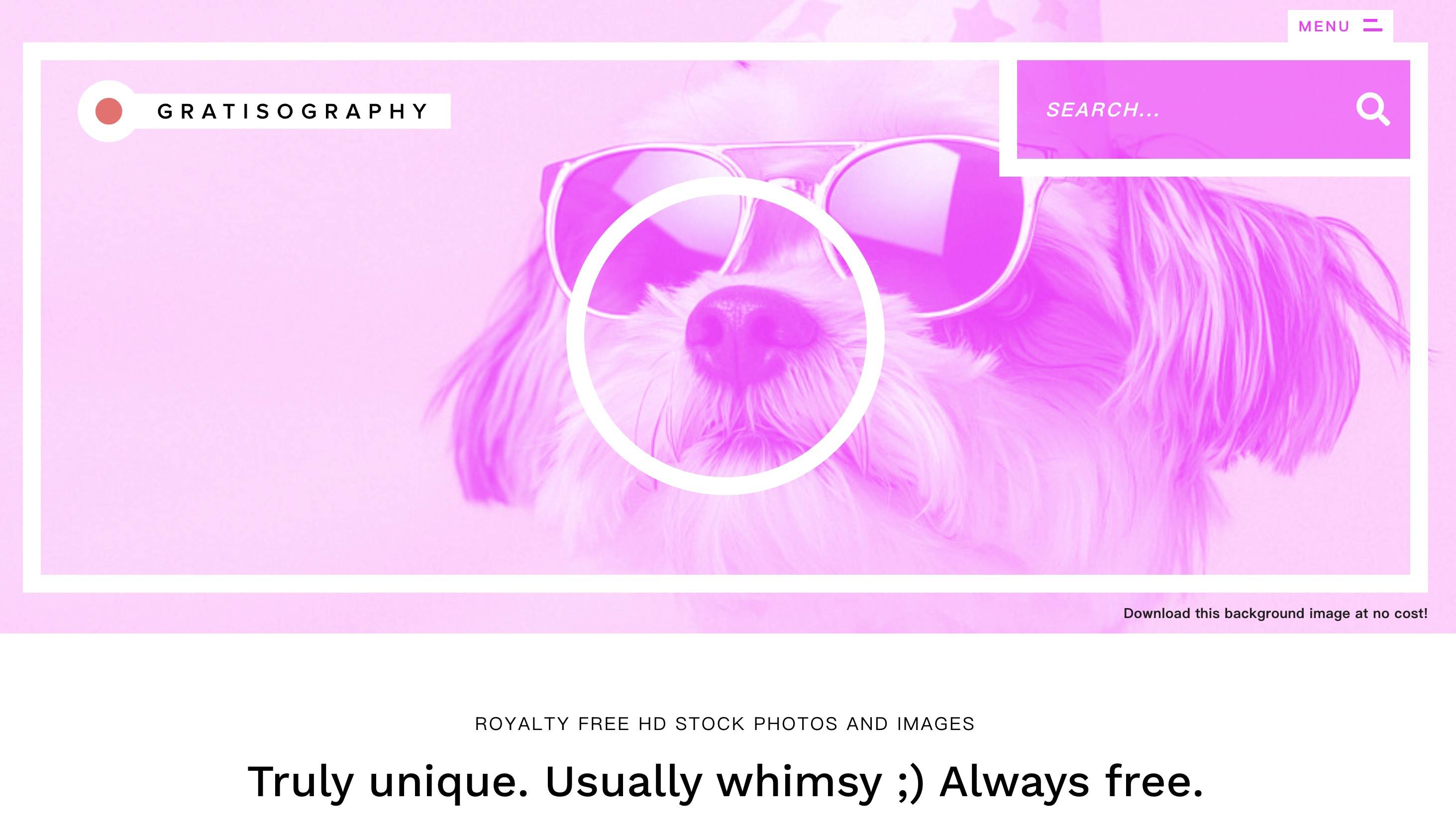
Gratisography is a creative photography library with a distinctive personality. Its catalog is smaller than the largest stock platforms, but the images are polished and memorable—particularly useful when you want something playful, unusual, or visually bold.
Website: https://gratisography.com/
2. Maitian Art
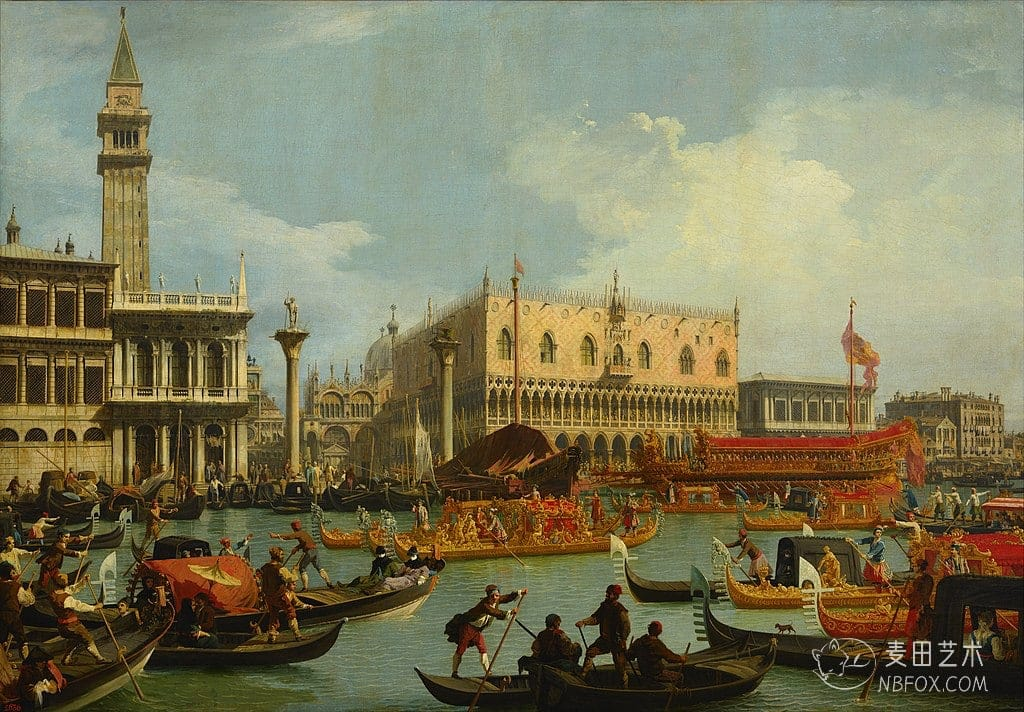
Maitian Art hosts a large collection of classic artworks, including oil paintings, drawings, watercolors, landscapes, portraits, and still lifes. Many old works are in the public domain, but it is still wise to check the rights statement for the particular digital reproduction.
Website: https://www.nbfox.com/
3. Foodiesfeed
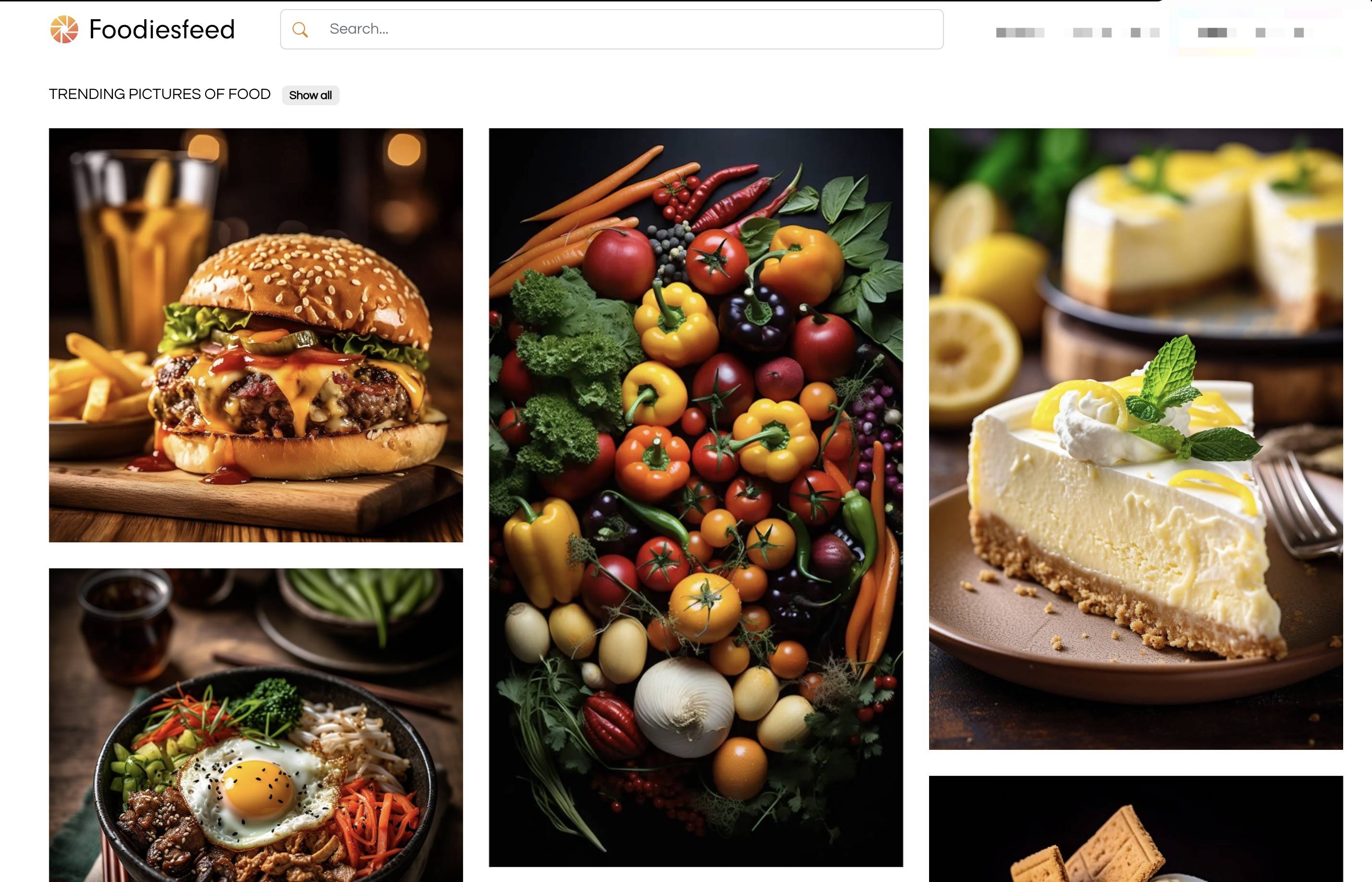
Foodiesfeed specializes in food and cooking photography. Its subjects include coffee, drinks, fruit, vegetables, breakfast, desserts, meat, fish, and international cuisine, making it useful for restaurant, lifestyle, and social-media projects.
Website: https://www.foodiesfeed.com/
4. Shopify Burst
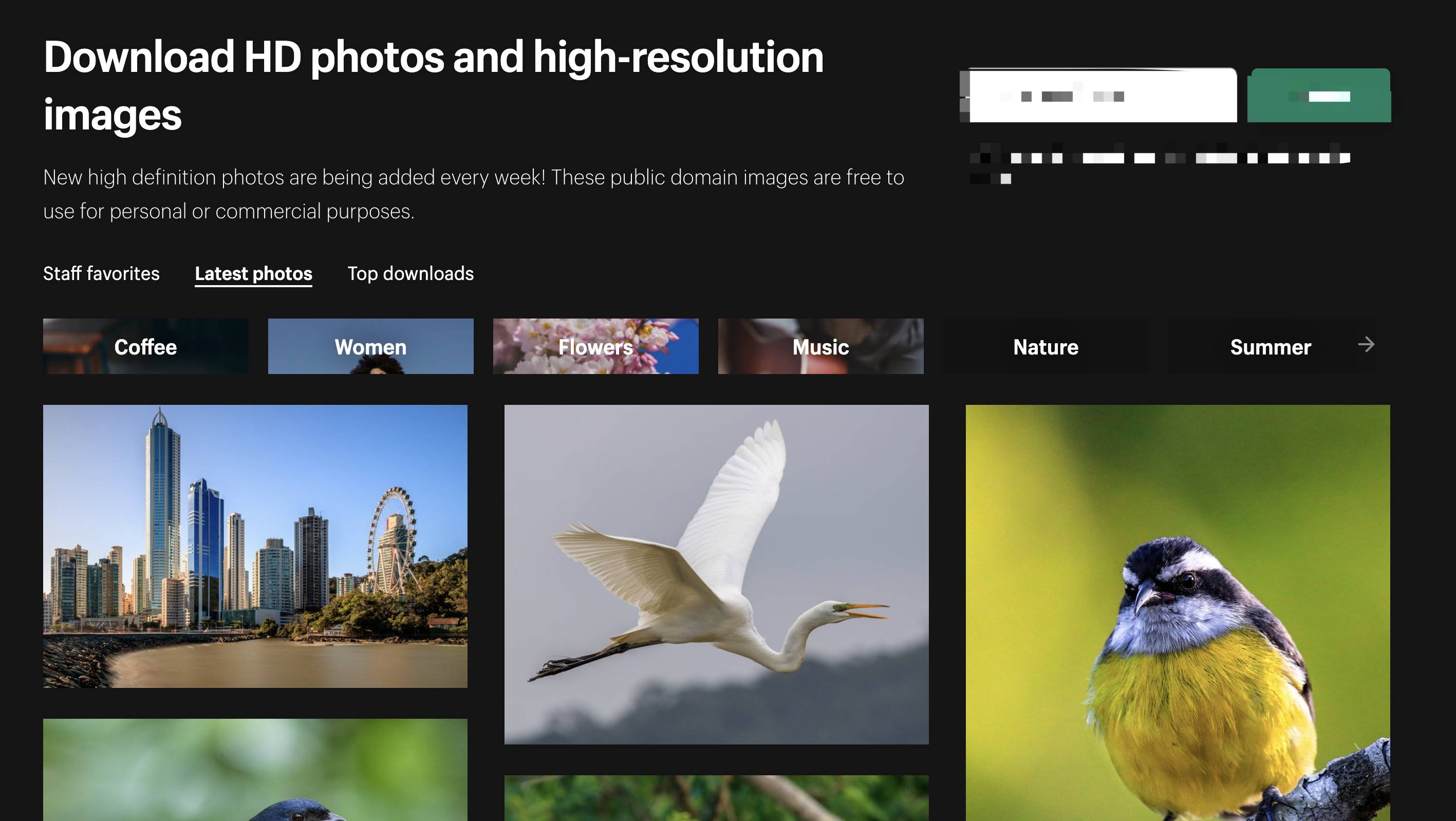
Shopify’s stock-photo collection focuses on ecommerce, entrepreneurship, products, workplaces, and lifestyle themes. It is a convenient source for online stores, campaigns, landing pages, and business presentations.
Website: https://www.shopify.com/stock-photos
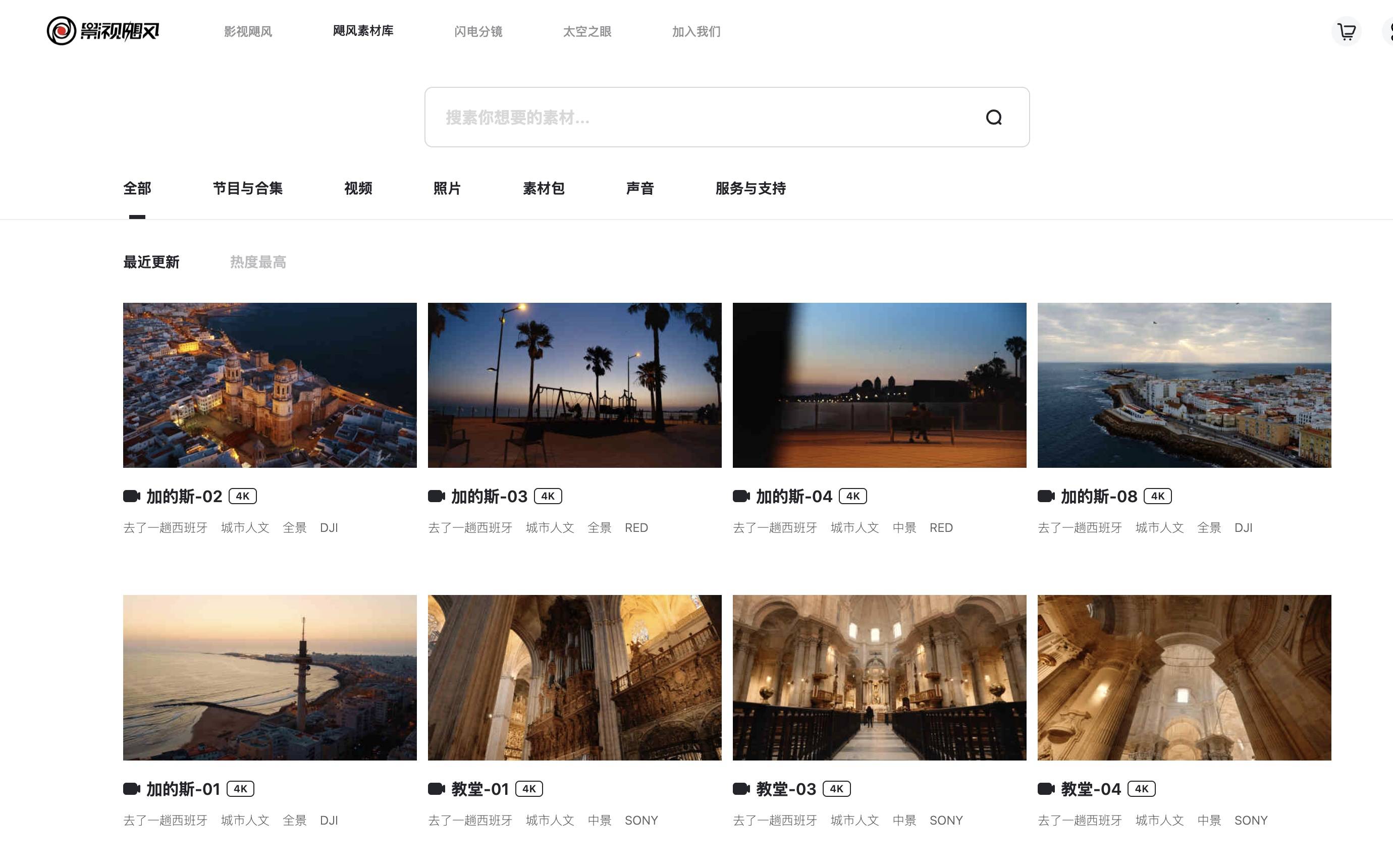
5. MediaStorm Material Library
Created by the Chinese production team MediaStorm, this library includes polished photos and videos covering nature, people, and urban environments. Usage rights can vary by asset and purpose, so read the platform’s current license before downloading.
Website: https://www.ysjf.com/material
6. PNGimg
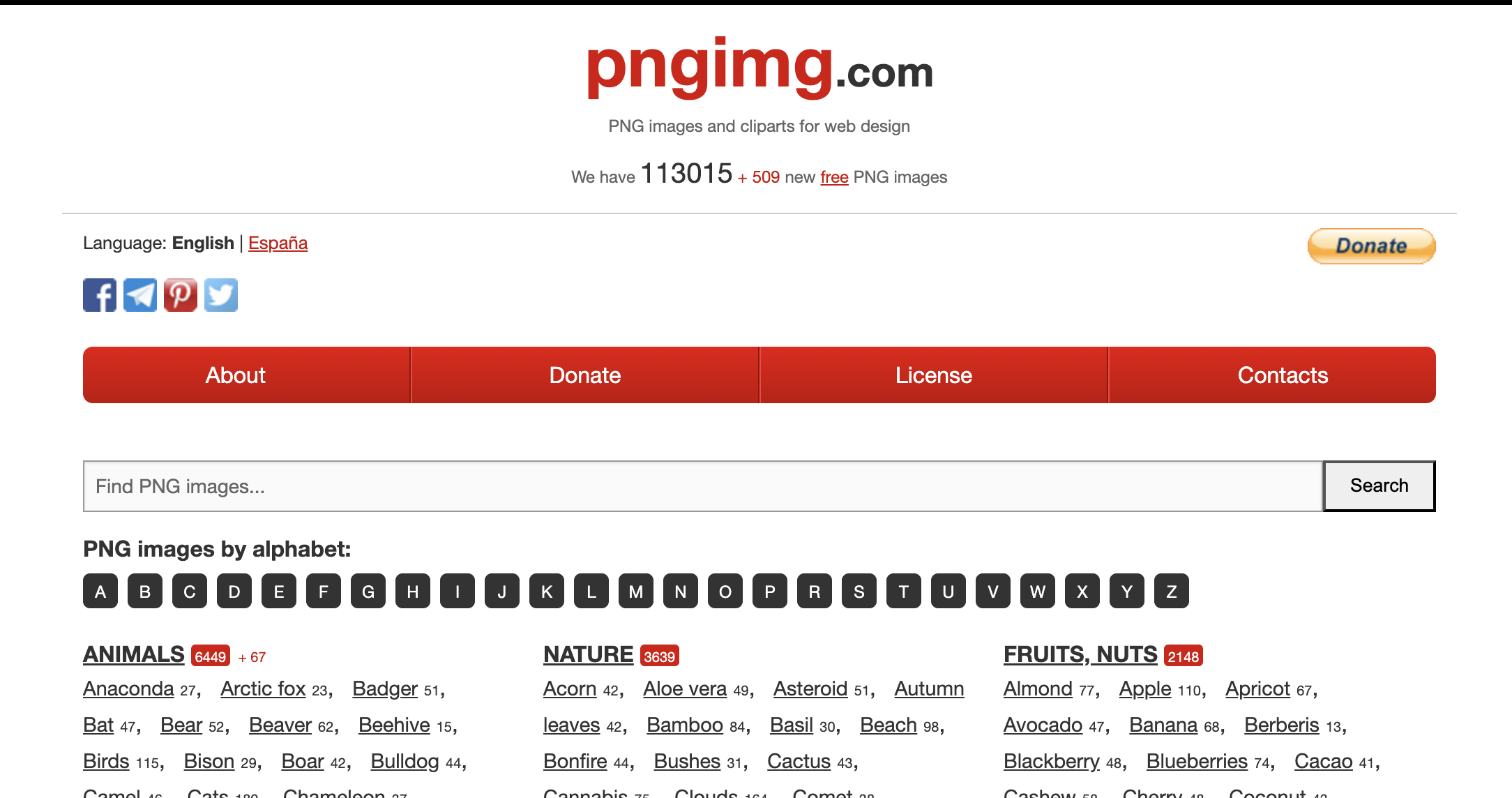
PNGimg focuses on cutout PNG images with transparent backgrounds. It can save time in design, development, and compositing workflows, especially when you need an isolated object. Pay attention to each asset’s license as well as any trademark restrictions.
Website: https://pngimg.com/
7. Wikimedia Commons
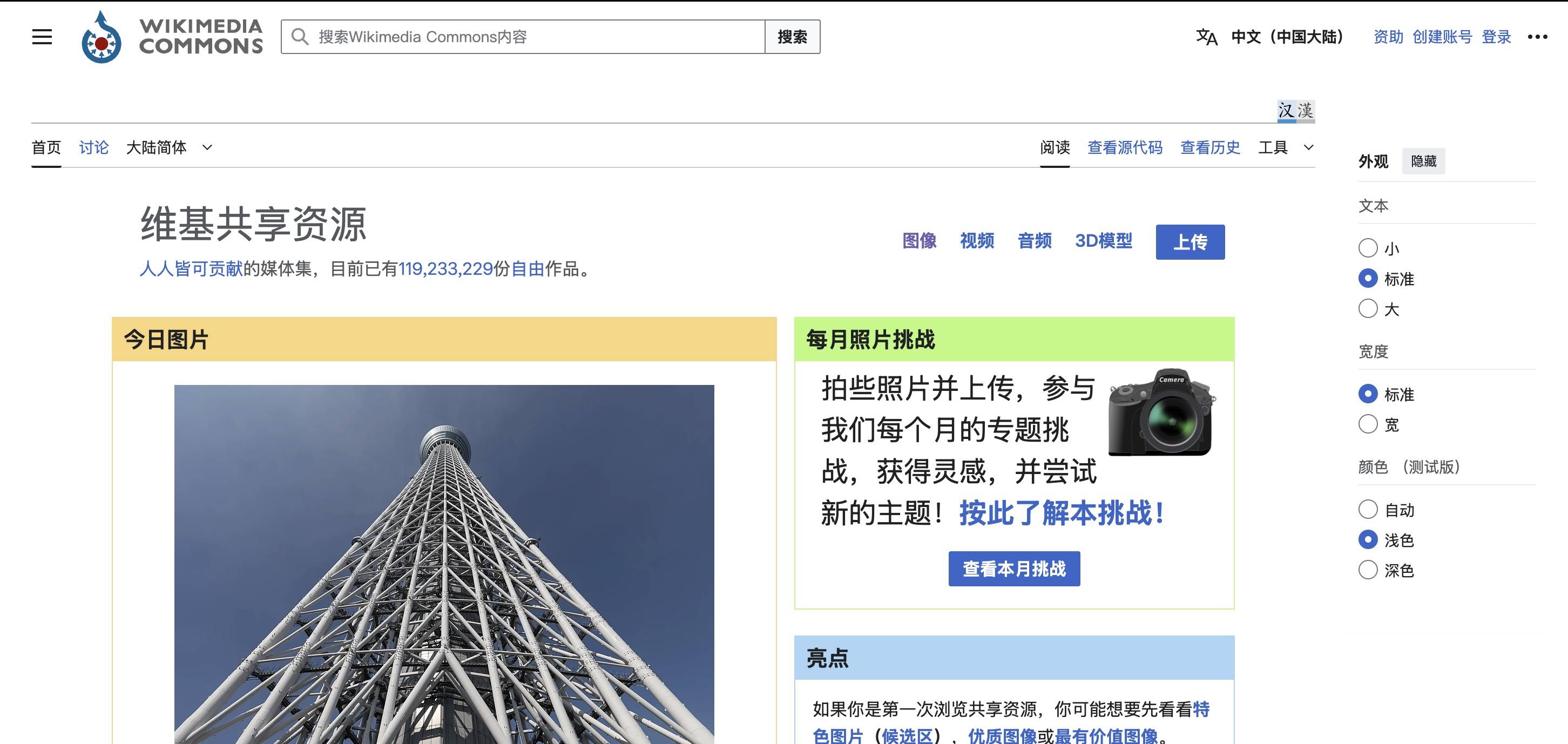
Wikimedia Commons is an open media repository operated by the Wikimedia Foundation. It covers nature, history, culture, art, science, and many other subjects. Files use a variety of free licenses and public-domain statements, so follow the attribution and reuse instructions on the individual file page.
Website: https://commons.wikimedia.org/
8. Pixabay
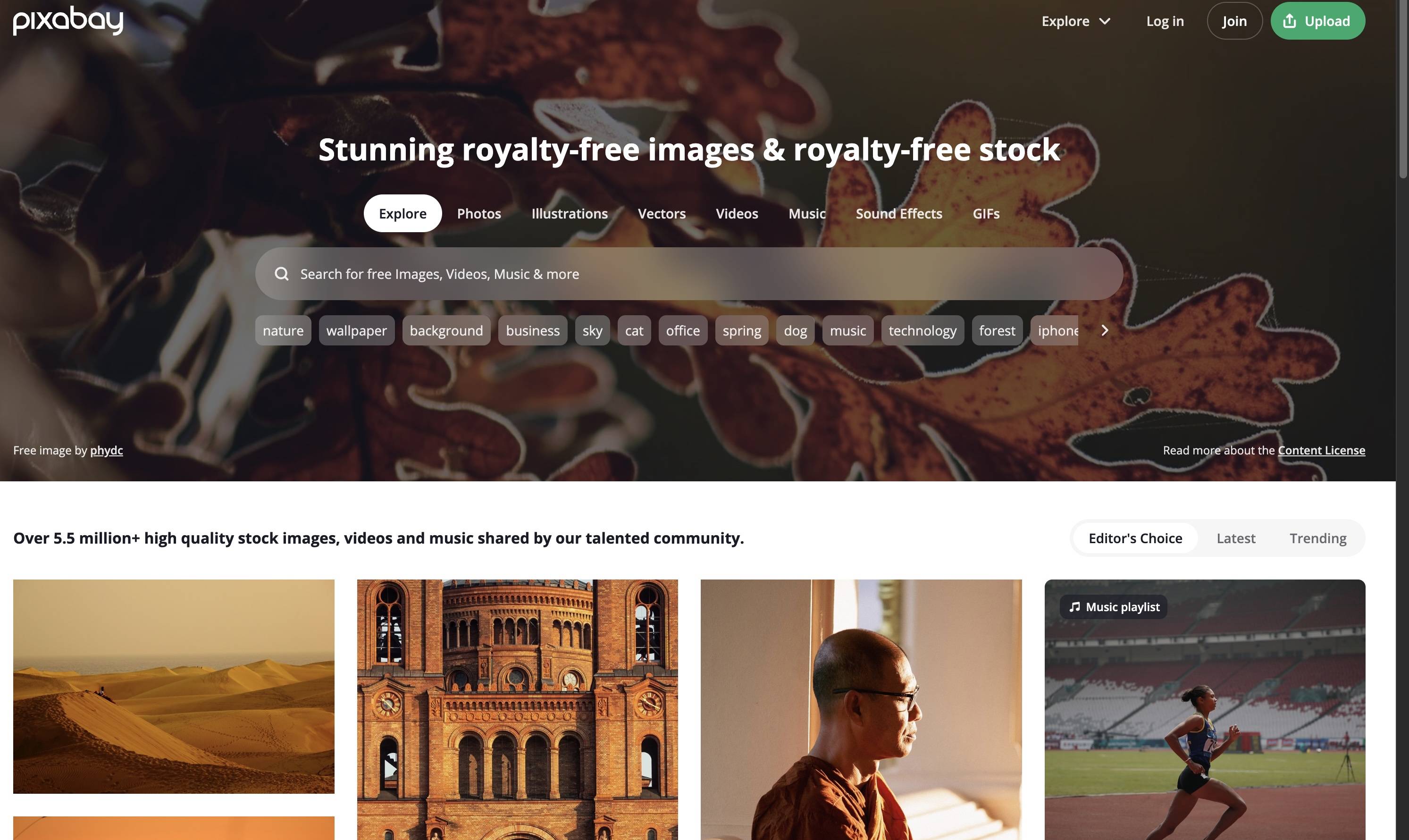
Pixabay offers photos, illustrations, vectors, videos, and other media through a mature search experience. It is useful for quickly locating common subjects. Follow the Pixabay Content License and remain mindful of model releases, trademarks, and other third-party rights.
Website: https://pixabay.com/
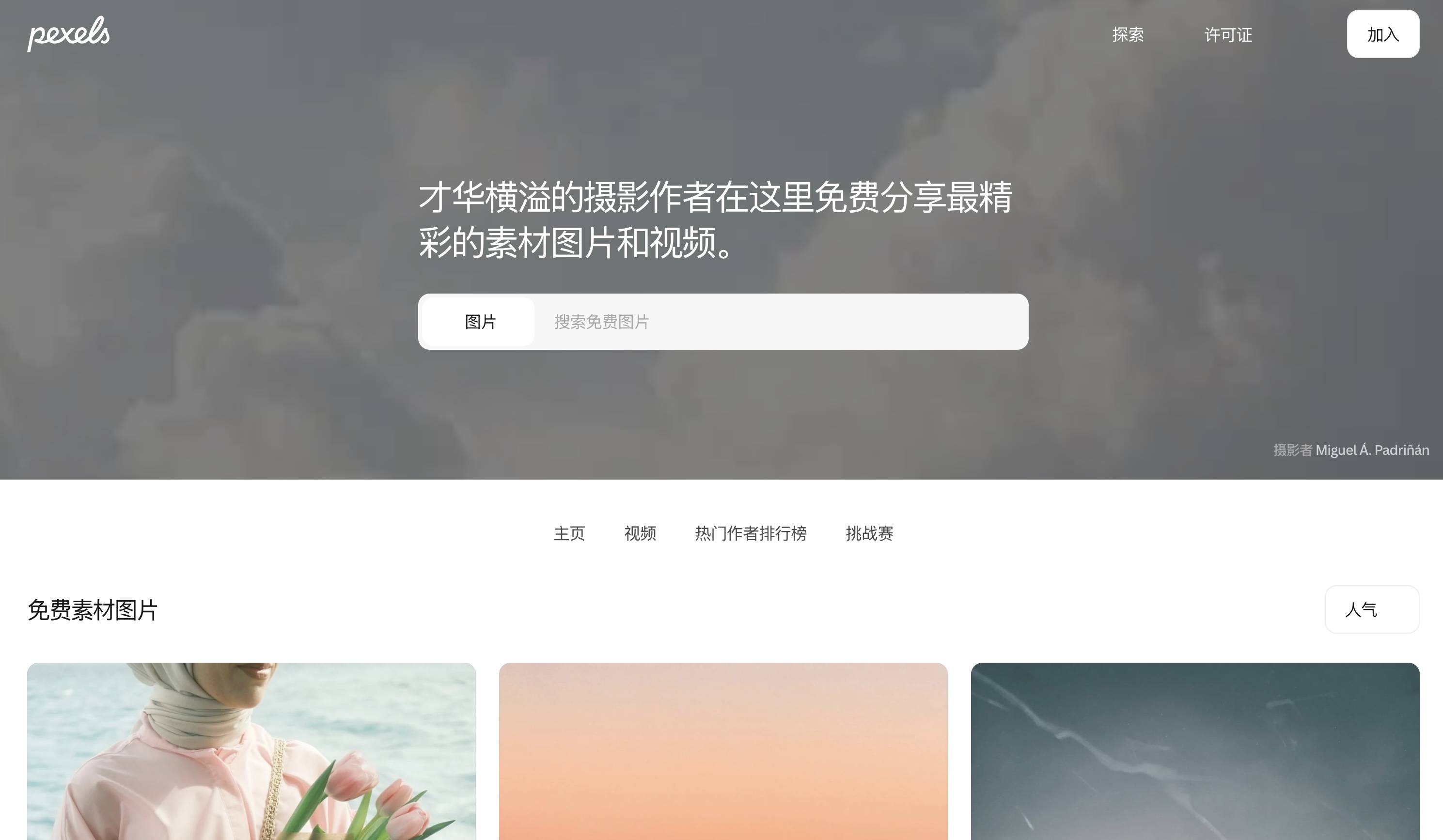
9. Pexels
Pexels provides a large catalog of high-quality photos and videos under a flexible license. It works well for websites, social content, presentations, and design projects. Although attribution is generally not required, crediting the photographer when practical is still a considerate choice.
Website: https://www.pexels.com/
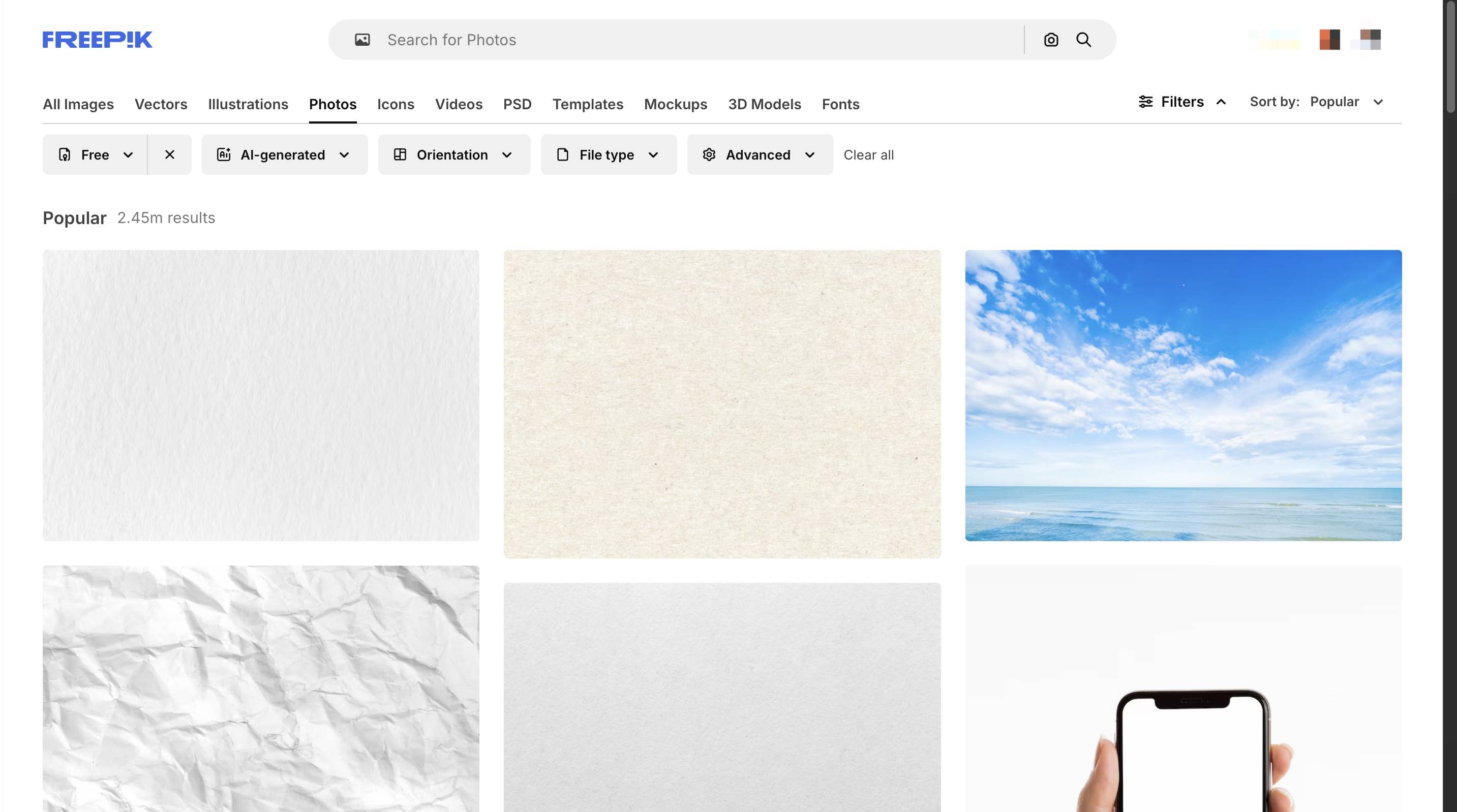
10. Freepik
Freepik offers photos, vectors, PSD files, icons, and templates through both free and paid plans. Free assets often require attribution, while premium plans provide different licensing terms. Check the download page and your account plan before publishing.
Website: https://www.freepik.com/
If you would rather search across multiple sources from one place, ClipSeek lets you describe the image you need in natural language. Wherever you discover an asset, return to its original source and verify the license before publishing.